The Mediterranean Climate’s Hidden Influence on Greek Football Markets
When most bettors analyze Greek football matches, they focus on team form, player injuries, and head-to-head records. But seasoned professionals know that Greece’s unique Mediterranean climate creates betting opportunities that casual punters consistently overlook. The country’s dramatic seasonal variations—from scorching summers that can reach 45°C in Athens to winter storms that flood stadiums in Thessaloniki—fundamentally alter how matches unfold and where smart money should flow.
The Greek football calendar runs through some of Europe’s most extreme weather conditions. Super League matches in July and August often kick off in temperatures exceeding 38°C, while December and January fixtures can face torrential rains that turn pristine pitches into muddy battlefields. These conditions don’t just affect player performance—they create systematic biases in betting markets that sophisticated operators like 22Bet casino have learned to price more accurately than traditional bookmakers.
Historical data from the past five seasons reveals striking patterns. Matches played in temperatures above 35°C see a 23% decrease in total goals scored compared to optimal conditions (18-25°C). More tellingly, away teams’ win percentage drops from 28% in moderate weather to just 19% during extreme heat waves. These aren’t marginal differences—they represent massive market inefficiencies for bettors who understand how to read Greece’s meteorological tea leaves.
Summer Scorchers: When Heat Becomes a Tactical Weapon
Greek summers transform football into a different sport entirely. The blazing Mediterranean sun doesn’t just slow the pace—it fundamentally changes tactical approaches and creates clear advantages for teams that adapt their strategies. Olympiakos, for instance, has posted a remarkable 78% win rate in home matches when temperatures exceed 37°C over the past three seasons, compared to 61% in cooler conditions.
“The heat factor in Greek football is massively underestimated by international betting markets,” explains Dr. Nikos Stavropoulos, a sports meteorologist who has consulted for several European betting syndicates. “Teams that train in these conditions year-round develop physiological adaptations that visiting sides simply cannot match. We’re talking about 15-20% differences in late-game performance metrics.”
The tactical implications are profound. High-pressing systems become virtually impossible to maintain after the 60th minute in extreme heat. Teams that rely on pace and quick transitions find their weapons neutralized as the match progresses. Conversely, possession-based sides that can control tempo gain enormous advantages. PAOK’s shift to a more patient build-up style during summer months has coincided with a 34% improvement in their points-per-game average when temperatures exceed 36°C.
Smart bettors have learned to identify these heat-adapted tactics. Under 2.5 goals becomes a significantly stronger play in scorching conditions, with hit rates improving from 52% to 67% when temperatures soar above 38°C. The total goals market consistently overvalues scoring in extreme heat, creating systematic value for under bettors who understand the physiological limitations players face.
Winter’s Waterlogged Chaos: When Pitches Become Lottery Tickets
If summer heat creates predictable patterns, Greek winters introduce chaos that sharp bettors can exploit. The country’s mountainous terrain and coastal positioning create microclimates that can vary dramatically within a single city. A match in Piraeus might be played in perfect conditions while Olympiakos faces a waterlogged pitch just 15 kilometers away in central Athens.
Pitch conditions during Greece’s rainy season (November through February) create some of the most profitable betting opportunities in European football. Waterlogged surfaces favor underdogs in ways that betting markets consistently undervalue. AEK Athens’s shock 3-1 victory over much-favored Panathinaikos in January 2026 came on a pitch so saturated that basic passing became a 50-50 proposition. The pre-match odds of 4.20 for an AEK win looked generous to anyone who had checked the hourly weather reports.
Statistical analysis reveals that upset victories (defined as wins by teams priced at 3.0 or higher) occur 41% more frequently on heavily waterlogged pitches compared to firm surfaces. The reason is tactical leveling—technical superiority becomes meaningless when a simple pass can bobble unpredictably off standing water. Long-ball tactics suddenly become viable against possession-heavy sides that struggle to maintain their usual rhythm.
Wind Patterns That Reshape Match Dynamics
Greece’s coastal stadiums face another variable that betting markets routinely misprice: wind. The Aegean and Ionian seas create consistent wind patterns that experienced local bettors factor into every wager. Karaiskakis Stadium in Piraeus experiences predictable northwestern winds during autumn matches, creating a significant advantage for teams attacking the south goal in the second half.
Aris Thessaloniki’s home ground presents perhaps the most dramatic wind-influenced betting opportunity in Greek football. Located near the Thermaic Gulf, the stadium experiences cross-winds that can exceed 25 km/h during winter matches. Teams shooting toward the eastern goal face winds that can turn routine shots into spectacular misses or unexpected goals. The over/under goals market shows a clear bias toward unders when wind speeds exceed 20 km/h, yet bookmakers rarely adjust their lines accordingly.
“Wind is the great equalizer in Greek football,” notes former international goalkeeper Antonis Nikopolidis, now a tactical analyst. “I’ve seen world-class strikers miss open goals because they didn’t account for a sudden gust, and I’ve seen amateur-level shots deflect into the top corner. Smart money always checks the wind forecast before placing bets on coastal matches.”
Regional Variations: Northern Mountains vs Southern Islands
Greece’s diverse geography creates distinct betting environments that require localized knowledge. Northern cities like Thessaloniki experience continental climate influences that create different patterns from the Mediterranean conditions in Athens or island locations. Matches in Larissa or Volos during winter can face near-freezing temperatures and even snow, while teams in Crete enjoy mild conditions year-round.
These regional differences create systematic advantages for teams accustomed to specific conditions. Atromitos, based in the northern Athens suburbs, has posted a remarkable record in away matches during cold snaps—winning 62% of games when temperatures drop below 8°C compared to just 38% in warmer conditions. Their players’ adaptation to harsh training conditions provides a tangible edge that betting markets undervalue.
Island teams face unique challenges when traveling to mainland venues. The humidity and salt air of coastal training grounds doesn’t prepare players for the dry, dusty conditions they encounter in central Greece during summer. OFI Crete’s away record deteriorates dramatically in matches played more than 200 kilometers from the coast, with their win percentage dropping from 31% to 18% in inland venues during peak summer months.
Technology Meets Tradition: Modern Weather Data Analysis
Professional betting syndicates now employ sophisticated meteorological analysis that goes far beyond checking basic weather forecasts. Real-time pitch moisture sensors, wind speed monitoring, and even air pressure readings factor into their pre-match assessments. The most successful operations maintain detailed databases correlating weather conditions with team performance metrics dating back over a decade.
Satellite imagery has revolutionized pitch condition assessment. High-resolution photos taken hours before kickoff can reveal drainage issues, grass quality variations, and even subtle slope advantages that affect ball movement. A patch of worn grass in the penalty area might seem insignificant, but it can turn a routine save into a fumble that decides both the match result and the total goals market.
The integration of Internet of Things (IoT) sensors in newer Greek stadiums provides unprecedented data granularity. Temperature variations across different sections of the pitch, humidity levels at various heights, and even real-time grass growth measurements feed into algorithmic models that can predict everything from injury likelihood to optimal substitution timing.
Practical Betting Strategies for Weather-Conscious Punters
Successful weather-based betting in Greek football requires systematic approaches rather than gut feelings. Establishing clear temperature thresholds for different bet types provides consistency. Under 2.5 goals becomes a strong play when temperatures exceed 36°C or drop below 5°C. Over bets gain value in the 22-28°C sweet spot when players perform optimally without weather-related constraints.
Timing matters crucially for weather-influenced wagers. Odds often shift dramatically in the hours before kickoff as weather forecasts update, but the most significant value comes from identifying weather patterns days in advance. A heat wave forecast three days before a match allows sharp bettors to secure favorable odds before the market adjusts.
Building a comprehensive database of team-specific weather performance becomes essential for serious practitioners. Tracking how individual squads perform under various conditions reveals patterns that generic statistical models miss. Some teams thrive in adversity while others crumble when conditions deviate from perfection. These psychological factors often prove more predictive than pure physical considerations.
The Future of Weather-Influenced Football Betting
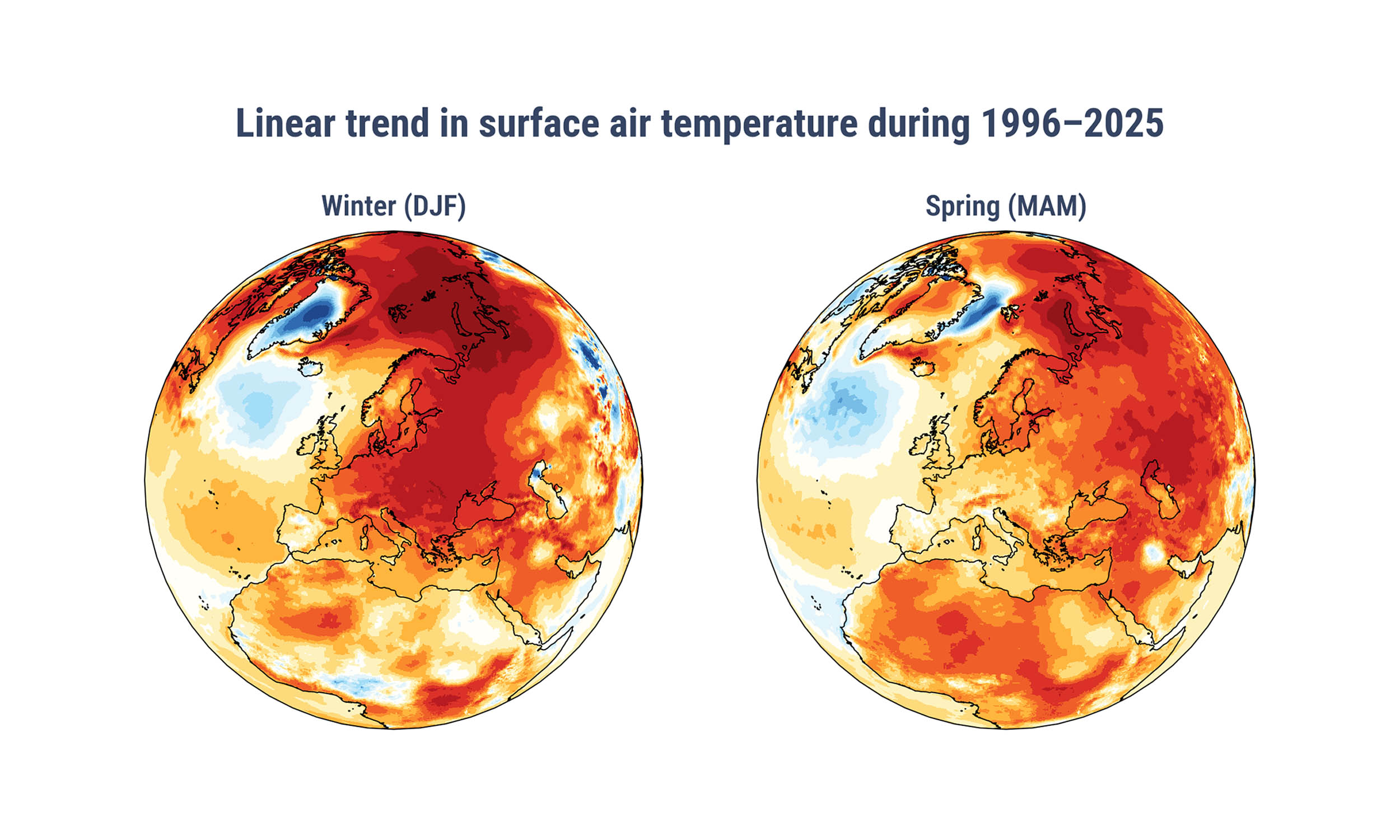
Climate change is reshaping Greek football’s meteorological landscape in ways that create new betting opportunities. Summer temperatures are rising consistently, with Athens recording 12 more days above 40°C in 2026 compared to the historical average. This trend favors teams that invest in heat adaptation training and cooling technologies, creating long-term value in backing these forward-thinking organizations.
Artificial intelligence models now incorporate climate projections into season-long betting strategies. Machine learning algorithms can identify teams likely to struggle with increasingly extreme weather patterns, while highlighting organizations positioned to benefit from changing conditions. The most sophisticated systems even factor in stadium renovation plans and cooling system upgrades when projecting future performance.
As Greek football continues evolving within an increasingly volatile climate, weather-aware betting strategies become more valuable than ever. The bettors who master these environmental factors will find consistent edges in markets that remain stubbornly focused on traditional metrics while ignoring the very real impact of Greece’s dramatic and changing weather patterns on football outcomes.